
How to Choose a Reliable Frozen Food Distributor in Gabon (2026 Guide)
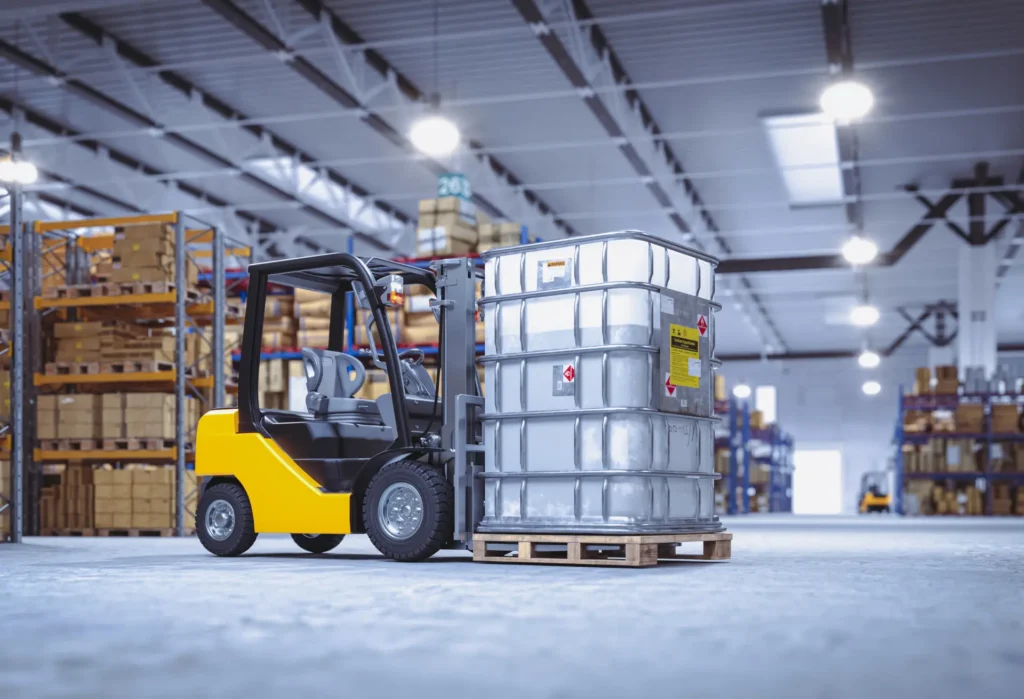
If you run a supermarket, restaurant, school canteen, or catering business in Libreville, your frozen food supplier is one of the most critical business decisions you will make. The wrong distributor means stock shortages during peak hours, spoiled products from a broken cold chain, and unpredictable pricing that eats into your margins. Yet many business owners in Gabon choose a distributor based on price alone — only to face operational headaches that cost far more in the long run. This guide breaks down the five criteria that separate a truly reliable frozen food distributor in Gabon from one that will let you down. Whether you are evaluating your current supplier or looking to switch, use this checklist to make a confident, informed decision. Why This Matters in Gabon SpecificallyGabon’s tropical climate — with temperatures regularly exceeding 30°C — means that any break in the cold chain causes rapid product deterioration. The stakes for choosing the right distributor are higher here than in temperate markets. The Middle East and Africa frozen food market is projected to grow at a CAGR of 6.2% through 2030, meaning competition among distributors is intensifying. Knowing how to evaluate your options has never been more important. 1. Verify Cold-Chain Infrastructure — Before Anything Else The cold chain is the backbone of frozen food distribution. It refers to the unbroken sequence of temperature-controlled storage and transport that keeps products frozen from the moment they leave the origin warehouse until they arrive at your business. A failure at any single point — a malfunctioning truck freezer, an under-powered warehouse, or poor loading procedures — can compromise an entire shipment. In Gabon’s climate, the window for product recovery after a temperature breach is extremely narrow. What to ask your distributor: A trustworthy distributor should be able to answer these questions without hesitation. They should also be able to tell you the exact temperature range at which each product category is stored — typically -18°C for frozen goods — and demonstrate that their system maintains this consistently. Red Flag to Watch ForIf a distributor cannot tell you their warehouse temperature or does not have a documented cold-chain protocol, this is a serious warning sign. Temperature-sensitive products like frozen poultry, fish, and beef require strict -18°C storage throughout the supply chain. A vague answer here is not acceptable. 2. Look for Official Food Safety Certification In Gabon, the relevant food safety authority is AGASA — the Agence Gabonaise de Normalisation (Gabonese Agency for Standardisation). A certified distributor has been audited and approved by this agency, meaning their storage, handling, and distribution meet national food safety standards. Certification is not just a formality. It tells you that the distributor has documented processes for hazard control, temperature management, and product traceability. It also means they are subject to ongoing inspections, creating accountability that unverified operators simply do not face. Internationally, look for knowledge of: Always ask to see documentation. A credible distributor will readily share their certification status. If they are evasive or claim certification without evidence, consider this a disqualifying factor. 3. Evaluate Sourcing Quality and Product Range The quality of a frozen food distributor’s products is directly tied to where and how they source them. Top-tier distributors work with verified producers from established frozen food export countries — including the United States, Brazil, Europe, and Southeast Asia — and they maintain relationships that allow them to guarantee consistent product quality across orders. Questions to assess sourcing quality: For businesses in Libreville serving diverse menus or retail shelves, the product range matters as much as quality. A strong distributor should offer frozen poultry (wings, thighs, drumsticks, whole chicken), frozen beef (tenderloin, ground beef, liver, tripe, burgers), frozen fish (mackerel, tilapia, pangasius, hake), frozen vegetables and fries, and dairy and dry goods that complement your offering. A limited product range forces you to work with multiple suppliers, which multiplies your administrative burden and creates additional cold-chain risk points. 4. Assess Delivery Reliability and Speed Stock shortages are one of the most damaging operational problems a food business faces. When you run out of a key ingredient — frozen chicken for your restaurant or ground beef for your supermarket shelves — you lose sales, disappoint customers, and risk damaging your reputation. Your distributor’s delivery performance is the single biggest factor in preventing this. Before committing to a supplier, investigate their track record carefully. Key delivery factors to evaluate: Ask for references from current customers — particularly restaurant managers and supermarket owners in Libreville who can speak to the distributor’s actual delivery performance. A distributor confident in their service will encourage this. The Cost of a Single Stock ShortageConsider this: if your restaurant cannot serve its most popular dish for one evening because your supplier failed to deliver on time, the financial loss is direct and immediate. Multiply that across multiple incidents per month and the hidden cost of an unreliable distributor becomes enormous. Delivery reliability is not a soft criterion — it directly affects your revenue. 5. Evaluate Pricing Transparency and Long-Term Partnership Value Price matters — but it should be evaluated in context. The cheapest distributor is rarely the best value when you account for the full cost of unreliable delivery, inconsistent quality, and the time your team spends managing supplier problems. What you are looking for is transparent, fair pricing combined with a supplier that operates as a genuine long-term partner. This means: The most valuable frozen food distributors in Gabon are not just vendors — they are partners invested in the success of your business. They understand your product needs, anticipate seasonal demand, and work with you to prevent the supply disruptions that damage your operations. How SuperGel S.A. Meets Every Criterion SuperGel S.A. is a B2B frozen food distributor serving retailers, supermarkets, restaurants, school canteens, and food service businesses across Libreville and Gabon. On cold-chain infrastructure: SuperGel S.A. operates a dedicated cold-chain warehouse in the ZI Oloumi industrial zone in Libreville and delivers exclusively using temperature-controlled refrigerated vehicles, maintaining
Why Cold Chain Integrity Is the #1 Thing to Ask Your Frozen Food Supplier in Gabon
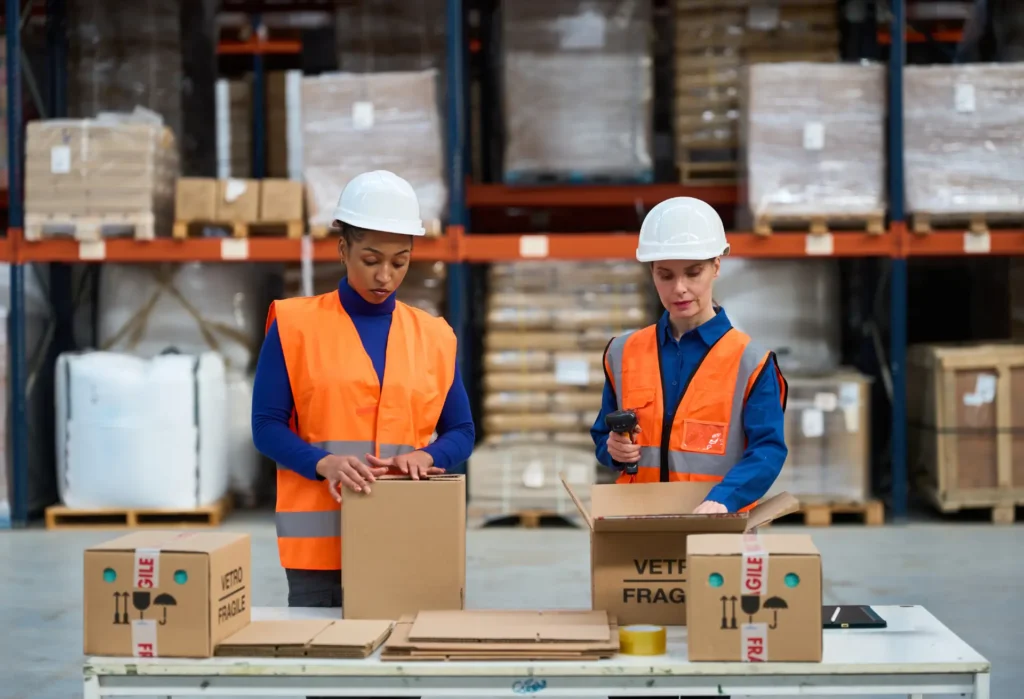
You’ve just received a delivery of frozen chicken. The packaging looks fine. But when your kitchen team opens the crates, something is off — a slight odour, an unusual texture. The product has been thawed and refrozen somewhere between the port and your kitchen. This scenario plays out more often than businesses in Libreville realise. And the culprit is almost never the product itself — it’s a broken cold chain. For restaurants, hotels, supermarkets, and catering operations across Gabon, choosing the right frozen food supplier isn’t just about price or product range. It’s about trusting that every degree of temperature has been controlled, at every step, from the moment the product left its country of origin to the moment it arrives at your door. In this guide, we break down exactly what cold chain integrity means, why it’s a particularly critical issue in Central Africa, and — most importantly — the five questions every buyer should ask before signing a supply agreement. What Is Cold Chain Integrity — And Why Does It Matter? Cold chain integrity refers to the uninterrupted maintenance of a temperature-controlled supply chain. For frozen food, that means keeping products at or below −18°C continuously — from production, through international shipping, port handling, local warehousing, and finally, last-mile delivery to your premises. The moment that chain breaks — even briefly — the consequences are irreversible. Bacteria that were dormant at −18°C begin to multiply. Proteins degrade. Ice crystals reform in ways that destroy texture. And critically: you cannot tell any of this by looking at the packaging. “A robust cold chain system covers coordinated temperature-controlled processes from harvest and pre-cooling to storage, transportation and delivery — preserving the quality, safety and nutritional value of frozen foods.” — TempControlPack, 2025 This is why cold chain integrity is not a logistical detail. It is a food safety issue, a legal liability issue, and — for businesses in hospitality and food service — a direct threat to your reputation. The Africa-Specific Problem: Why This Matters More in Gabon Than in Europe In Europe or North America, cold chain infrastructure is largely standardised. Automated warehouses, GPS-tracked refrigerated fleets, and real-time IoT temperature monitoring are the baseline expectation. In Central Africa — including Gabon — the reality is more complex. For businesses in Libreville sourcing frozen poultry, fish, vegetables, or pre-cooked meals, this context means one thing: your supplier’s cold chain capability is not guaranteed just because they say they have one. You need to verify it. The Middle East and Africa cold chain market is projected to grow from USD 13.10 billion in 2025 to USD 23.72 billion by 2034 — a sign that investment is coming, but the infrastructure gap is real today. The 5 Questions to Ask Any Frozen Food Supplier in Gabon Before you commit to a supply agreement, ask these five questions. A credible supplier will answer all of them clearly and confidently. Vague or evasive answers are a red flag. 1. Do you use dedicated refrigerated trucks for all deliveries? Last-mile delivery is the most vulnerable point in the cold chain. Products that have been perfectly stored at −18°C in a warehouse can be compromised in minutes if loaded onto a non-refrigerated vehicle. Ask specifically about the age of the fleet, whether trucks carry temperature logs, and whether they operate single-temperature or multi-temperature zones. 2. What is your warehouse temperature monitoring system? A modern frozen food warehouse should have real-time electronic temperature monitoring — not manual checks twice a day. Ask whether they use IoT-enabled sensors, what their alarm threshold is, and what happens when a temperature breach is detected. If they cannot answer these questions in detail, that tells you something. 3. What food safety certifications do you hold? Certifications are not just pieces of paper. They represent audited, verified compliance with international food safety standards. In Gabon, look for AGASA certification (the national food safety authority), as well as any international equivalents. A certified supplier has been independently inspected. An uncertified one has only their own word for it. 4. What is your policy when a cold chain incident occurs? Every supplier, no matter how reliable, will face an incident at some point — a vehicle breakdown, a power cut, an equipment failure. What matters is their response protocol. Do they have backup systems? Do they notify clients proactively? Do they quarantine affected stock immediately? A supplier with a clear incident protocol is a professional supplier. One who deflects the question is not. 5. Can you demonstrate product traceability from origin to delivery? Traceability means being able to trace any product back to its origin — the country, the processing plant, the batch, the date. If a food safety issue emerges, traceability is what allows you to act quickly and limit risk. Ask your supplier whether they can provide batch documentation and whether their products carry clear origin labelling. How SuperGel S.A. Answers These Questions At SuperGel S.A., cold chain integrity is not an aspiration — it is the operational standard we hold ourselves to every day. Here is how we address each of the five criteria above: ✔ Refrigerated last-mile fleet All SuperGel deliveries in Libreville are made using dedicated refrigerated vehicles — with same-day delivery available for orders placed in time. We do not use third-party, non-refrigerated carriers for frozen product. ✔ Monitored, certified cold storage Our warehouse operates with continuous temperature monitoring. Products are stored at the correct frozen temperatures, not approximated — and our systems are designed to respond to deviations immediately. ✔ AGASA certified SuperGel S.A. holds AGASA certification, confirming our compliance with Gabon’s national food safety standards. This is not a self-declaration — it is an independently verified standard. ✔ Clear incident protocol We operate with defined response procedures for any cold chain disruption. Affected stock is quarantined, clients are informed, and no compromised product is delivered under any circumstances. ✔ Full product traceability All products we supply carry full origin documentation. We source from trusted international
Why Frozen Food Is a Smart Business Choice for Restaurants and Retailers in Gabon
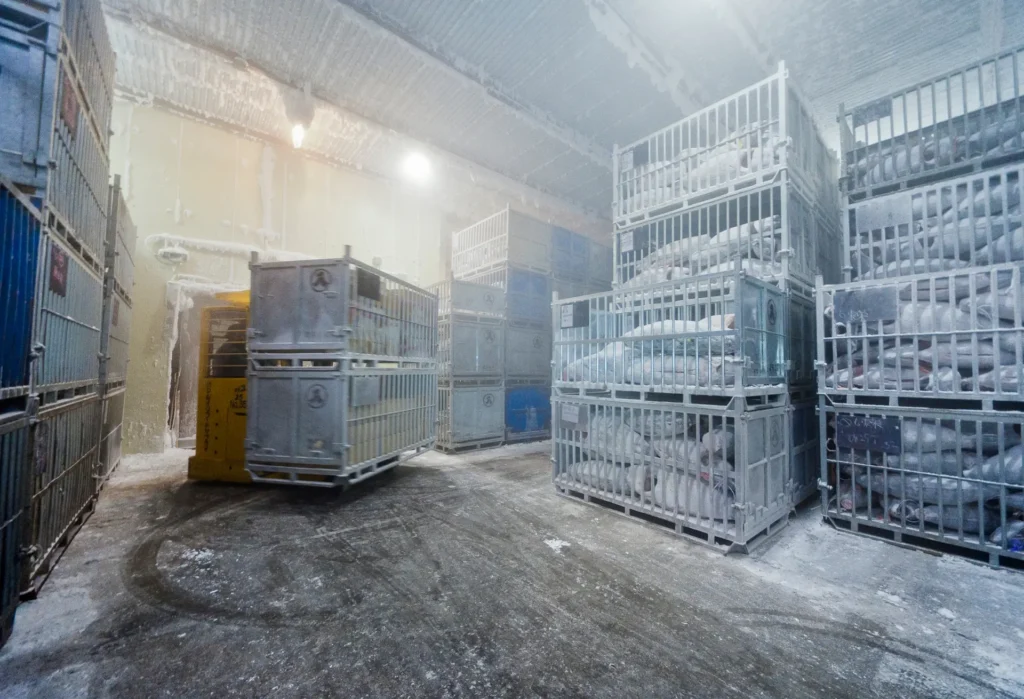
There is a persistent myth in the food business: that fresh is always better than frozen. For home cooks making a single meal, there may be some truth to the preference. But for restaurant owners, supermarket managers, school canteen operators, and retailers supplying Libreville and the wider Gabonese market, that assumption is costing real money. The science, the economics, and the operational reality all point in the same direction: for food businesses in Gabon, frozen food is not a compromise. It is a strategic advantage. This guide explains why — covering nutrition, cost control, food waste reduction, supply chain reliability, and what the growing African frozen food market means for your business in 2026 and beyond. The African Frozen Food Market Is Growing FastThe Middle East and Africa frozen food market is projected to grow at a CAGR of 6.2% through 2030, driven by urbanisation, improving cold-chain infrastructure, and rising demand for convenient, safe food options. Sub-Saharan Africa is specifically identified as an emerging high-growth region. Business owners who build reliable frozen food supply chains now are positioning themselves ahead of this shift. 1. The Nutrition Argument: Frozen Food Is as Good as Fresh — and Sometimes Better The most common objection to frozen food is nutritional quality. The assumption is that freezing destroys vitamins, minerals, and the nutritional integrity of food. Current food science tells a different story. The key is understanding what happens at the moment of freezing. Frozen vegetables, for example, are typically processed and frozen within hours of harvest — at peak nutritional content. Fresh produce, by contrast, spends days or even weeks in transit and on shelves, during which nutrient content steadily degrades due to exposure to heat, light, and oxygen. Research consistently finds that frozen produce retains comparable — and in some cases higher — levels of vitamins and minerals than fresh produce that has spent several days in the supply chain. For protein-based products like chicken, beef, and fish, the nutritional profile is essentially identical to fresh, because freezing simply halts biological processes without destroying protein structure, amino acids, or mineral content. What this means for your business: For school canteens in particular — where nutritional standards are regulated and audited — this matters enormously. Reliable, nutritionally consistent frozen products are far easier to plan menus around than fresh produce with unpredictable quality and availability. 2. Cost Control: Frozen Food Delivers Measurable Savings for Food Businesses For any food business operating on tight margins — which is most of them — frozen food offers several concrete cost advantages over fresh supply. Predictable pricing Fresh food prices fluctuate with season, weather, import delays, and market conditions. A restaurant building menus around fresh ingredients faces pricing uncertainty that makes it difficult to maintain consistent food costs. Frozen food pricing, by contrast, is significantly more stable. You can negotiate supply agreements, lock in pricing for defined periods, and build menus with accurate cost predictions. Reduced preparation labour Frozen products arrive pre-portioned, pre-cleaned, and ready to cook. Frozen chicken cuts, fish fillets, and pre-cut vegetables eliminate the labour hours your kitchen team would otherwise spend on preparation. In a Libreville food business where labour costs are a significant operational expense, this translates directly into savings. Bulk purchasing efficiency Frozen food allows you to buy in volume when pricing is favourable and store stock without spoilage risk. Fresh supply forces you to buy in smaller, more frequent quantities to avoid waste. The ability to buy and hold frozen stock means better purchasing leverage with your distributor and fewer urgent last-minute orders that typically come at premium cost. Real Numbers on Cost SavingsAccording to research by the American Frozen Food Institute, 64% of shoppers report that frozen foods help them manage rising food costs — and this dynamic applies equally in the B2B context. For food service businesses, frozen procurement consistently delivers lower total food costs than comparable fresh supply when waste, preparation labour, and price volatility are factored in. 3. Food Waste Reduction: A Critical Issue for Gabon’s Food Businesses Food waste is one of the most significant — and most underestimated — cost drivers in the food service industry. Fresh ingredients that arrive in bulk have a narrow window of use. Anything not consumed within that window is a total financial loss. In Gabon’s climate, where ambient temperatures accelerate deterioration of unrefrigerated products, the problem is particularly acute. A delivery of fresh chicken or vegetables that sits even a few hours outside refrigeration can be compromised before it reaches your kitchen. Frozen food eliminates this exposure entirely. Products stored at -18°C maintain quality and safety for months, not days. You draw down stock as needed, and nothing is wasted because a delivery arrived on a slow business day. The financial impact of waste reduction: Studies from Cornell University have found that frozen foods are consistently wasted less frequently than fresh counterparts at both the retail and food service level. For a restaurant owner in Libreville running tight daily margins, even a 10–15% reduction in food waste translates into meaningful profit improvement. 4. Supply Chain Reliability: Why Frozen Supply Is the Stronger Choice in Gabon Gabon’s food supply chain faces genuine challenges. Import logistics, port processing times, road infrastructure outside Libreville, and the tropical climate all create points of vulnerability for fresh product supply. A fresh food delivery that arrives a day late is often unsellable. A frozen food delivery that arrives a day late is still perfectly safe and usable. This resilience makes frozen food the more reliable choice for food businesses that cannot afford supply disruptions. Consider the operational reality: For businesses outside central Libreville — in areas where delivery frequency may be lower — frozen supply is even more clearly the practical choice. One well-planned delivery of frozen stock can support a week or more of uninterrupted operations. 5. Gabon-Specific Advantages: Why the Local Context Favours Frozen Everything discussed above applies globally — but several factors make the case for frozen food particularly strong